


Cooling a home or business in North Texas isn’t cheap—especially once the real summer heat settles into the Dallas–Fort Worth area. The good news is you don’t always need a full system replacement to see meaningful savings. The right energy-efficient HVAC upgrades can reduce cooling costs, improve comfort, and help your system handle long run times with less strain.
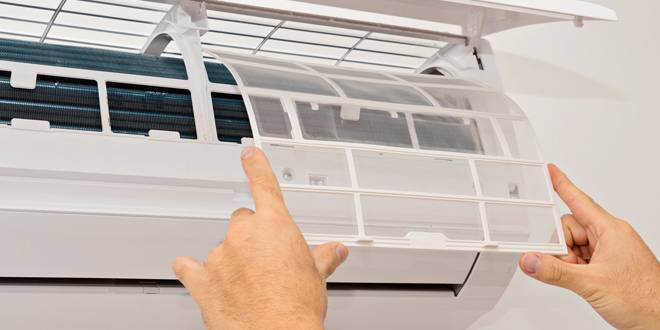
Below are high-impact upgrades we commonly recommend for DFW properties, along with what they do and why they pay off.
Why HVAC Efficiency Upgrades Matter in DFW
DFW’s cooling season is long, and your AC may run daily for months. That makes small improvements—better airflow, smarter controls, tighter ductwork—add up quickly on your utility bill.
Efficiency upgrades can help you:
- Lower monthly cooling costs
- Reduce hot spots and uneven temperatures
- Improve humidity control
- Decrease wear on major components
- Extend equipment life
If you want professional guidance based on your specific system, start with Spencer Air Conditioning & Heating for local expertise tailored to North Texas homes and businesses.
Top Energy-Efficient HVAC Upgrades That Reduce Cooling Costs
Upgrade to a Smart Thermostat
A smart thermostat helps cut cooling costs by optimizing schedules and reducing unnecessary runtime. Many households waste energy cooling an empty home or overcooling overnight. Smart controls help you match cooling to real-life routines.
Best for:
- Busy households with changing schedules
- Homes where comfort varies by time of day
- Anyone who wants more control without sacrificing comfort
For help with thermostat selection, setup, and performance checks, schedule AC services with a technician who can verify proper wiring, placement, and calibration.
Seal and Repair Ductwork
Leaky ducts are one of the biggest hidden energy drains—especially in Texas attics. Even a high-efficiency AC can’t deliver savings if cooled air leaks into unconditioned spaces before it reaches your rooms.
Signs ductwork may need attention:
- Rooms that never cool evenly
- High bills with no change in usage
- Dusty air or weak airflow at vents
- Hot attic smell or stale air indoors
A duct evaluation is often part of comprehensive residential HVAC services and can deliver major comfort improvements along with savings.
Add a Variable-Speed Blower or Variable-Speed System
Variable-speed equipment runs longer at lower speeds, which improves comfort and efficiency while reducing temperature swings. It also does a better job managing humidity—an important factor in North Texas.
Benefits include:
- Better humidity control
- More even temperatures
- Quieter operation
- Lower energy use during typical (not extreme) conditions
If you’re considering upgrades like variable-speed components or equipment, a professional assessment through residential air conditioning services can help determine what fits your existing setup.
Improve Attic Insulation and Air Sealing
While not an “HVAC part,” insulation and air sealing directly affect cooling costs. In DFW, attic heat is intense—and gaps around lights, attic hatches, and duct penetrations can let hot air into your living space.
This upgrade is especially impactful for:
- Older homes with inconsistent comfort
- Upstairs rooms that stay warmer
- Homes with high summer electric bills
Pairing building-envelope improvements with professional HVAC tuning often produces the best results.
Install a High-Efficiency Air Filter Setup
Better filtration can improve indoor air quality and help keep coils and blower components cleaner—but filters must be chosen carefully. Filters that are too restrictive can reduce airflow and raise energy use if your system isn’t designed for them.
A technician can recommend a filtration solution that balances airflow and particle capture during residential HVAC services.
Add Zoning or Improve Airflow Balancing
If one part of your home is always warmer, your system may be overcooling other areas to compensate—wasting energy. Zoning systems (or even simpler airflow balancing solutions) can direct cooling where it’s needed most.
Best for:
- Two-story homes
- Homes with west-facing rooms that overheat
- Additions, sunrooms, or converted garages
For uneven comfort issues, start with a diagnostic via HVAC scheduling and ask about balancing, duct adjustments, or zoning options.
Upgrade to a High-Efficiency AC System
If your system is older, an upgrade to a higher-efficiency unit may be the biggest long-term cost saver—particularly if your current equipment struggles to keep up or requires frequent repairs.
A proper replacement should include:
- Correct sizing (not just “same size as before”)
- Ductwork evaluation
- Airflow and performance testing
Get replacement guidance through residential air conditioning services so your new system is matched to your home and Texas heat.

Energy-Efficient HVAC Upgrades for Businesses
For commercial properties, cooling costs can escalate quickly due to higher occupancy, longer run times, and complex zones. The biggest commercial efficiency wins often come from:
- Preventative maintenance and performance testing
- Economizer and controls checks
- Airflow balancing across zones
- Scheduling optimization and setpoint strategies
Businesses across DFW can reduce downtime and improve energy performance through commercial HVAC services and tailored commercial air conditioning services.
Which Upgrade Lowers Cooling Costs the Most?
It depends on what’s driving your bill. In many DFW homes, the highest-impact improvements are:
- Duct sealing/repair + airflow correction
- Smart thermostat + scheduling optimization
- Variable-speed upgrades for humidity and runtime efficiency
- Addressing insulation/air leaks that force longer AC run times
The most cost-effective path is usually an evaluation first—then targeted upgrades based on measurable issues.
Schedule an Efficiency Check Before Summer Heat
If you’re ready to lower cooling costs, start with a professional inspection to identify the biggest opportunities for improvement. A good technician won’t just “top off and go”—they’ll look at airflow, performance, comfort patterns, and system condition.
Book a visit using the HVAC scheduling page and ask about efficiency-focused recommendations for your home or business.