


Texas heat waves push air conditioning systems to their absolute limits. When temperatures soar across the Dallas–Fort Worth area, even well-maintained AC units can develop issues under constant demand. Knowing the most common air conditioner problems during Texas heat waves can help you spot trouble early, prevent breakdowns, and stay comfortable when it matters most.
Why Texas Heat Waves Are So Hard on AC Systems
During extreme heat, air conditioners often run for hours at a time with little rest. High outdoor temperatures, heavy humidity, and increased indoor heat loads all combine to stress key components.
Working with an experienced local provider like Spencer Air Conditioning & Heating ensures your system is prepared for the realities of North Texas summers.
Most Common AC Problems During Texas Heat Waves
AC Running but Not Cooling
One of the most frequent complaints during heat waves is an AC that runs constantly but doesn’t cool the home effectively. This is often caused by:
- Low refrigerant levels
- Dirty evaporator or condenser coils
- Restricted airflow
- Compressor strain due to extreme outdoor heat
Professional residential air conditioning services can diagnose cooling loss before it turns into a full system shutdown.
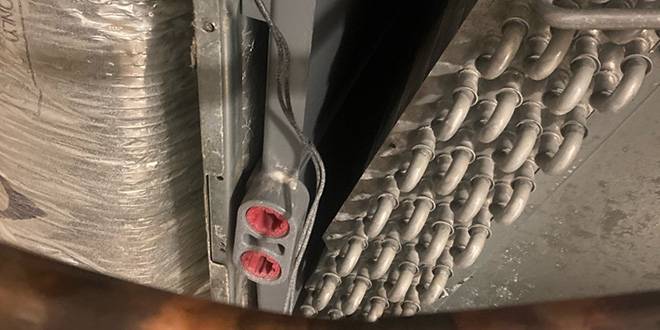
Frozen Evaporator Coil
It may sound odd during extreme heat, but frozen coils are common in Texas summers. They’re typically caused by:
- Dirty air filters
- Low refrigerant
- Poor airflow from duct or blower issues
A frozen coil reduces cooling capacity and can damage components if the system continues to run.
Short Cycling or Constant Cycling
Heat waves push systems to work harder, and underlying issues often show up as short cycling (frequent on/off cycles) or nonstop operation. These problems increase wear, raise energy bills, and signal that something isn’t operating correctly.
If your system can’t maintain temperature even after hours of runtime, it’s time to schedule AC services before more serious damage occurs.
Electrical and Capacitor Failures
Capacitors, contactors, and wiring components are especially vulnerable during heat waves. High temperatures combined with heavy electrical demand can cause:
- AC unit not turning on
- Clicking or buzzing sounds
- Sudden system shutdowns
These failures are common during peak summer afternoons and should be addressed immediately to prevent further damage.
Clogged Condensate Drain Lines
Texas humidity increases condensate production. During heat waves, drain lines can clog faster, leading to:
- Water pooling around the indoor unit
- Musty odors
- System shutdowns from safety switches
Drain issues are often easy to fix when caught early during routine residential HVAC services.
Weak or Uneven Airflow
If some rooms feel significantly warmer during a heat wave, airflow issues may be to blame. Common causes include:
- Dirty filters
- Leaky or undersized ductwork
- Blower motor problems
Uneven cooling often worsens during extreme heat when the system is under constant load.
Overheated Outdoor Unit
Outdoor condenser units struggle during Texas heat waves—especially if airflow around the unit is restricted. Debris, grass, or poor clearance can cause overheating and shutdowns.
Keeping the area around the unit clear and scheduling inspections through professional AC services helps reduce heat-related stress.

Common Heat Wave Problems for Businesses
Commercial systems face even greater strain due to longer operating hours and higher occupancy. During Texas heat waves, businesses often experience:
- Inconsistent temperatures across zones
- Rooftop unit shutdowns
- Comfort complaints from employees or customers
- Increased emergency service calls
Preventive care through professional commercial air conditioning services helps reduce downtime and protect productivity. Larger facilities also benefit from ongoing support through experienced commercial HVAC services.
How to Reduce AC Problems During Heat Waves
You can help your system perform better by:
- Changing air filters regularly
- Keeping vents and returns open
- Clearing debris from outdoor units
- Closing blinds during peak afternoon sun
- Scheduling maintenance before extreme heat arrives
These steps won’t fix major issues, but they can reduce strain during high-demand days.

When to Call for AC Repair During a Heat Wave
You should call for service if:
- Your AC can’t maintain set temperature
- You hear unusual noises or buzzing
- Ice forms on the indoor or outdoor unit
- Water leaks appear near the system
- Energy bills spike suddenly
Use Spencer’s convenient HVAC scheduling page to request service before minor issues turn into major failures.
Stay Prepared for Texas Heat
Texas heat waves are unavoidable, but AC breakdowns don’t have to be. Understanding common air conditioner problems—and acting quickly when symptoms appear—can keep your system running when you need it most.
For reliable repairs, preventative maintenance, and expert guidance, trust Spencer Air Conditioning & Heating to help you stay cool through even the hottest North Texas summers.