


Choosing the right air conditioner size is one of the most important decisions you’ll make for home comfort in Texas. With long summers, high heat, and heavy system run times, an incorrectly sized AC can lead to higher energy bills, uneven cooling, and frequent repairs. Understanding how AC sizing works—and why Texas homes need special consideration—helps ensure reliable comfort all summer long.
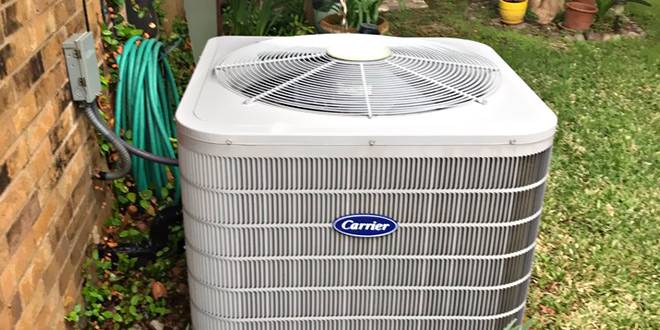
Why AC Size Matters So Much in Texas
In North Texas, air conditioners often run daily from late spring through early fall. If your system is too small, it will struggle nonstop and still fail to keep your home comfortable. If it’s too large, it will cool too quickly, shut off early, and leave humidity behind.
Proper sizing helps:
- Maintain even temperatures throughout the home
- Control indoor humidity
- Reduce energy costs
- Prevent excessive wear and tear
- Extend system lifespan
Working with an experienced local provider like Spencer Air Conditioning & Heating ensures your system is sized for real Texas conditions—not just rough estimates.
What Does “AC Size” Actually Mean?
Air conditioner size refers to cooling capacity, measured in BTUs (British Thermal Units) or tons.
- 1 ton = 12,000 BTUs per hour
- Most Texas homes need between 2 and 5 tons, depending on multiple factors
Square footage alone is not enough to determine the correct size, especially in hot climates like DFW.
General AC Size Guidelines for Texas Homes
While not a substitute for professional calculations, these estimates offer a starting point:
- 1,200–1,600 sq ft: ~2.5–3 tons
- 1,600–2,000 sq ft: ~3–3.5 tons
- 2,000–2,500 sq ft: ~3.5–4 tons
- 2,500–3,000+ sq ft: ~4–5 tons
Texas homes often require slightly more capacity than homes in cooler regions due to higher heat loads.
Factors That Affect AC Size in Texas
Home Insulation and Air Sealing
Poor insulation or air leaks force your AC to work harder. Homes with older insulation or leaky attics may require different sizing considerations than newer, well-sealed homes.
A technician performing professional residential air conditioning services will evaluate insulation as part of proper sizing.
Ceiling Height and Home Layout
High ceilings, open floor plans, and multi-story homes all impact how air moves and how much cooling is required. Two homes with the same square footage may need different AC sizes based on layout alone.
Windows, Sun Exposure, and Orientation
Large windows, west-facing rooms, and minimal shading significantly increase heat gain—especially during Texas afternoons. These factors are critical in determining accurate system size.
Number of Occupants and Lifestyle
More people, frequent cooking, and electronics all add internal heat. Busy households often require systems sized to handle higher internal loads.
Existing Ductwork Condition
Leaky or undersized ductwork reduces effective cooling delivery. In some cases, duct issues—not AC size—are the real problem.
This is why professional AC services focus on both equipment and airflow, not just replacing units.
Why Bigger Is NOT Better
Many homeowners assume a larger AC will cool faster and better. In reality, oversized systems:
- Short-cycle (turn on and off too quickly)
- Fail to remove humidity properly
- Cause uneven temperatures
- Increase energy costs
- Wear out faster
Correct sizing balances run time, humidity control, and comfort—especially important in humid North Texas summers.
How Professionals Determine the Right AC Size
The only accurate way to size an air conditioner is with a Manual J load calculation, which considers:
- Square footage
- Insulation levels
- Window size and placement
- Orientation and sun exposure
- Occupancy
- Ductwork and airflow
This process ensures your system matches your home’s actual cooling needs.
If you’re replacing or upgrading equipment, a technician providing residential HVAC services should always perform this calculation.

What About Commercial Properties?
AC sizing for commercial buildings is even more complex due to:
- Zoning requirements
- Occupancy variations
- Equipment heat loads
- Extended operating hours
Businesses should rely on experienced commercial HVAC services and specialized commercial air conditioning services to ensure accurate sizing and dependable performance.
Signs Your Current AC May Be the Wrong Size
You may have a sizing issue if:
- Some rooms never cool properly
- The system runs constantly or short-cycles
- Humidity stays high indoors
- Energy bills keep rising
- Comfort issues persist despite repairs
These problems often show up during peak Texas heat.
When to Schedule an AC Sizing Evaluation
If you’re planning to replace your AC, experiencing comfort issues, or upgrading insulation or windows, it’s the perfect time to verify proper sizing.
You can schedule a professional evaluation using Spencer’s convenient HVAC scheduling page to get expert guidance before summer hits.
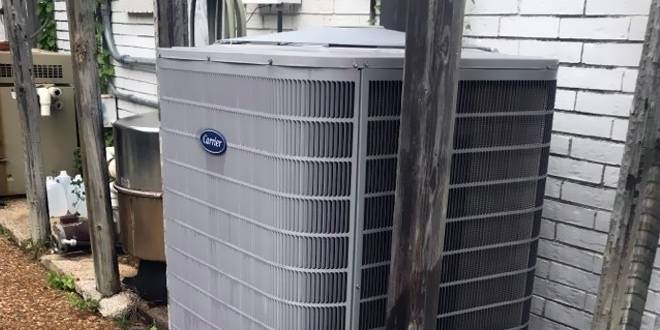
Get the Right AC for Texas Comfort
Choosing the right air conditioner size is essential for comfort, efficiency, and long-term reliability in Texas. With proper evaluation and professional guidance, you can avoid costly mistakes and enjoy consistent cooling all summer long.
For trusted recommendations and expert service, turn to Spencer Air Conditioning & Heating to help you find the perfect fit for your Texas home.