


When your air conditioner quits in the middle of a North Texas hot spell, it can feel urgent fast. The goal is to restore safe comfort quickly—without accidentally causing more damage or running up your costs. This guide walks you through exactly what to do when your AC stops working, what you can safely check yourself, and when it’s time to call for emergency help in the Dallas–Fort Worth area.
First: Quick Safety and Damage-Prevention Steps
Turn the System Off If You Notice These Red Flags
Shut the system down at the thermostat if you notice:
- Burning smell or electrical odor
- Loud buzzing, grinding, or metal-on-metal noise
- Smoke or sparking
- Water actively leaking around the furnace/air handler
- Ice forming on the indoor coil or refrigerant lines
Turning it off can prevent compressor damage, electrical risk, and water damage.
Keep the House Safer While You Troubleshoot
- Close blinds/curtains on sunny windows
- Keep doors closed to reduce heat gain
- Run ceiling fans (they won’t lower temp, but they help you feel cooler)
- Avoid using ovens, dryers, and other heat-producing appliances
If indoor temps are climbing quickly, prioritize getting people and pets to a cooler room or alternate location.
Step-by-Step: What to Check When Your AC Stops Working
1) Confirm Thermostat Settings
This sounds basic, but it’s the most common “no cool” fix.
- Set thermostat to Cool
- Lower set temperature 3–5°F below room temp
- Make sure Fan is set to Auto (not “On,” which can blow warm air after a shutdown)
- If it’s a smart thermostat, check for low battery or connection errors
If you recently had a power outage, the thermostat may have reset.
2) Check the Air Filter
A severely clogged filter can restrict airflow, cause coils to freeze, and make the system shut down.
- If the filter looks dirty or gray, replace it
- If you don’t have a replacement, remove the dirty filter temporarily only long enough to test airflow (don’t run it long-term without a filter)
For ongoing comfort and fewer emergencies, regular filter changes plus professional residential air conditioning services make a huge difference.
3) Inspect the Circuit Breakers (and Any Disconnects)
Go to your electrical panel and look for a tripped breaker labeled:
- AC / Condenser
- Furnace / Air handler
Flip a tripped breaker fully off then on once. If it trips again, stop there—repeated resets can be dangerous and signal electrical problems.
Outside near the condenser, some homes also have a disconnect box. If you’re not comfortable checking it, skip this step.
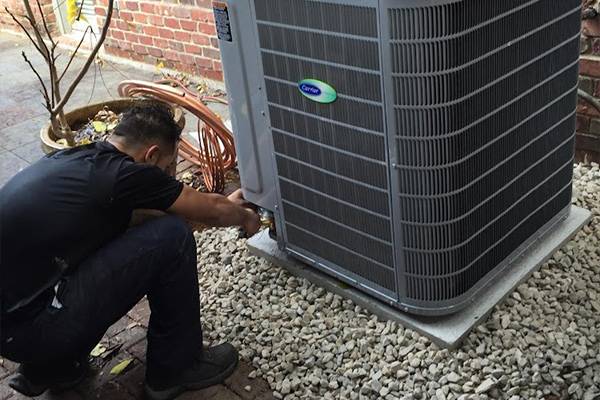
4) Look at the Outdoor Unit
Go outside and check:
- Is the unit running (fan spinning and compressor humming)?
- Is it completely silent?
- Is it covered in debris or blocked by tall grass?
If the outdoor fan isn’t spinning but you hear humming, turn the system off—this can overheat the compressor.
Keeping the area around the unit clear supports reliable operation and reduces the chance you’ll need urgent AC services during peak heat.
5) Check for Ice on the Indoor Coil or Refrigerant Lines
Signs of freezing:
- Ice on copper lines near the indoor unit
- Frost on the outdoor unit line set
- Weak airflow and the system running nonstop
What to do:
- Turn Cool off
- Set fan to On for 30–60 minutes to thaw (if airflow is decent)
- Replace the filter
- Once thawed, try cooling again briefly
If it freezes again, you need service—there may be low refrigerant, airflow restrictions, or blower issues.
6) Check the Condensate Drain and Water Around the Unit
If you see water near your indoor system:
- Turn the system off to prevent overflow damage
- Check if the drain line looks clogged
- Don’t keep resetting the system if it immediately leaks again
Drain clogs are common in humid North Texas weather and are typically quick fixes for a technician.
When It’s Time to Call Emergency AC Repair
Call for professional help if:
- The breaker trips repeatedly
- You smell burning or see smoke
- The outdoor unit hums but the fan won’t spin
- The system freezes repeatedly
- Airflow is extremely weak
- The thermostat works, but the system won’t start
- You have vulnerable occupants (infants, seniors, medical conditions)
If you’re in the Dallas–Fort Worth area and need fast help, use the HVAC scheduling page to request service.
What to Tell the Technician (It Helps You Get Faster Answers)
When you call, share:
- Whether the outdoor unit is running or silent
- Whether you see ice on any lines
- Any unusual noises or smells
- Thermostat brand/model (if known)
- When the problem started (after storm/outage, etc.)
- Any recent repairs or maintenance
These details can speed up diagnosis and reduce time on-site.
Avoid These Common Emergency Mistakes
Don’t Keep Resetting Breakers
If a breaker trips more than once, stop. Repeated resets can damage equipment and create an electrical hazard.
Don’t Run the System If It’s Frozen
Running a frozen system can lead to compressor damage and bigger repair bills.
Don’t Close Vents to “Force More Air” Elsewhere
Closing too many vents can worsen airflow and increase system pressure issues.
Emergency AC Help for Businesses in DFW
Commercial systems often fail under extreme demand due to longer run times, zoning issues, and rooftop unit strain. If your building has hot/cold zones, repeated shutdowns, or comfort complaints, get help quickly with commercial HVAC services and specialized commercial air conditioning services.
Prevent the Next Breakdown
Most emergency AC calls we see in North Texas come down to airflow restrictions, electrical wear, or missed maintenance. A preseason inspection and routine service can catch problems before a heat wave hits.
If you want to reduce the odds of another emergency, start with trusted local support from Spencer Air Conditioning & Heating.