


When shopping for a new air conditioner or comparing HVAC upgrades, you’ve probably seen the term SEER rating—but what does it actually mean, and why is it especially important for Texas homes? In a climate where air conditioners run for months at a time, SEER ratings directly affect energy bills, comfort, and long-term system costs.
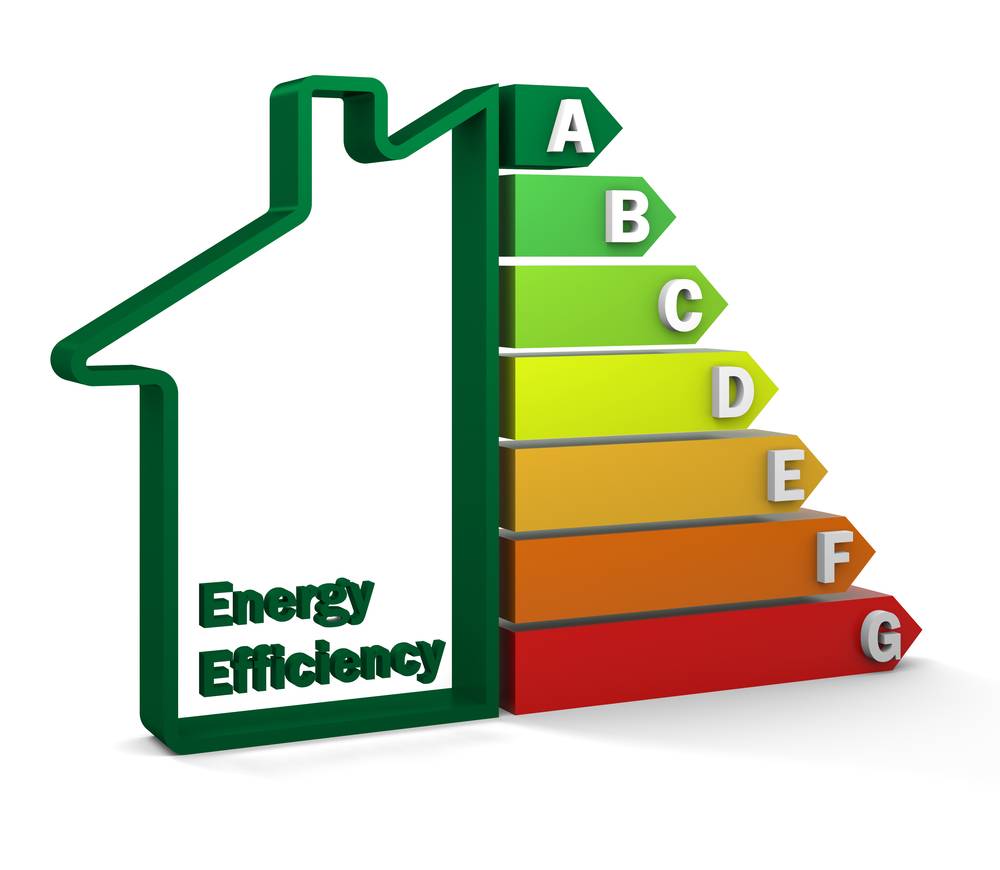
Here’s a clear breakdown of what SEER is, how it works, and what Texas homeowners should consider before choosing a system.
What Is a SEER Rating?
SEER stands for Seasonal Energy Efficiency Ratio. It measures how efficiently an air conditioner cools over an entire cooling season.
In simple terms:
- Higher SEER = higher efficiency
- Lower SEER = higher energy use
The rating is calculated by dividing the total cooling output (BTUs) by the total electricity used during a typical cooling season. The higher the number, the more cooling you get for each unit of energy.
Why SEER Ratings Matter More in Texas
In cooler regions, AC systems may only run a few months each year. In North Texas, systems often run from spring through fall—and sometimes beyond. That extended runtime makes efficiency far more important.
For Texas homes, a higher SEER rating can mean:
- Lower monthly energy bills
- Less strain on your AC system
- More consistent indoor comfort
- Better long-term value over the system’s lifespan
That’s why homeowners often consult local experts like Spencer Air Conditioning & Heating when choosing the right efficiency level for DFW conditions.
Minimum SEER Requirements in Texas
New air conditioners installed in Texas must meet regional minimum efficiency standards. These minimums are higher than in many northern states due to the climate.
While meeting the minimum is required, it’s not always the most cost-effective choice long-term—especially if you plan to stay in your home for many years.
A professional evaluation through residential air conditioning services can help determine whether upgrading beyond the minimum makes financial sense for your home.
Common SEER Ratings Explained
Here’s how different SEER levels typically compare for Texas homeowners:
14–15 SEER Systems
- Meets minimum efficiency standards
- Lower upfront cost
- Higher monthly energy bills
- Best for short-term ownership or limited budgets
16–18 SEER Systems
- Strong balance of efficiency and cost
- Noticeable energy savings during long Texas summers
- Popular choice for many DFW homes
19–21+ SEER Systems
- Maximum efficiency and lowest operating costs
- Higher upfront investment
- Best for homeowners planning long-term occupancy
- Often paired with variable-speed technology for comfort and humidity control
Choosing the right SEER level depends on your usage patterns, home design, and budget—not just the number itself.
How Higher SEER Ratings Save Money in Texas
Because Texas homes use AC so heavily, even small efficiency gains add up. A higher-SEER system:
- Uses less electricity to produce the same cooling
- Runs more efficiently during long cycles
- Reduces wear on major components
Over the life of the system, these savings can offset—or even exceed—the initial cost difference.
A technician providing comprehensive residential HVAC services can help calculate potential savings based on your actual usage.
SEER Ratings and Comfort Go Together
Higher-SEER systems often include advanced features such as:
- Variable-speed compressors
- Better humidity control
- More consistent temperatures
- Quieter operation
This matters in North Texas, where humidity and heat both impact indoor comfort. Efficiency isn’t just about saving money—it’s also about how your home feels day to day.
Is the Highest SEER Always the Best Choice?
Not necessarily. The “best” SEER rating depends on:
- How long you plan to stay in your home
- How often your AC runs
- Your insulation and duct condition
- Your energy cost priorities
For some homes, upgrading from a very low-SEER system delivers the biggest payoff, while jumping to the highest SEER may offer diminishing returns.
That’s why professional guidance matters before making a decision.
SEER Ratings for Commercial Properties
Commercial systems use different efficiency metrics, but the concept is similar—higher efficiency reduces operating costs during long run times.
Businesses in DFW benefit from efficiency evaluations through experienced commercial HVAC services and performance-focused commercial air conditioning services to control cooling expenses.
When to Consider a SEER Upgrade
You may want to evaluate a higher-SEER system if:
- Your AC is 10–15+ years old
- Energy bills keep rising
- The system struggles during peak heat
- You’re planning a long-term home upgrade
The best time to evaluate efficiency is before summer heat peaks.
You can request an efficiency consultation or replacement evaluation through the HVAC scheduling page.
Make the Right Efficiency Choice for Your Texas Home
SEER ratings matter more in Texas than almost anywhere else. Choosing the right efficiency level can lower cooling costs, improve comfort, and protect your system during long, hot summers.
For honest recommendations and expert installation guidance, trust Spencer Air Conditioning & Heating to help you choose the right SEER rating for your home and your budget.