


In Texas, your HVAC system works harder—and longer—than in many other parts of the country. Between long cooling seasons, heavy pollen, dust, and high system usage, air filters clog faster than most homeowners expect. Knowing how often to change your HVAC air filter is one of the simplest ways to protect your system, improve indoor air quality, and keep energy costs under control.
Why Air Filter Changes Matter More in Texas
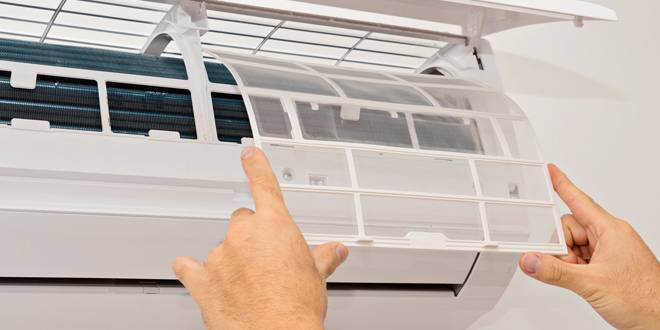
Texas HVAC systems often run most of the year, especially in North Texas where spring heat ramps up quickly and summers are intense. A dirty filter restricts airflow, forces your system to work harder, and can lead to higher utility bills or unexpected breakdowns.
Regular filter changes help:
- Improve airflow and comfort
- Reduce strain on your HVAC system
- Lower energy usage
- Improve indoor air quality
- Extend system lifespan
Working with a trusted local provider like Spencer Air Conditioning & Heating ensures your system is maintained with Texas conditions in mind.
General Rule: How Often Should You Change Your HVAC Air Filter?
For most Texas homes, the standard recommendation is every 1 to 3 months, but the exact timing depends on several factors.
Every 30 Days
You should change your filter every month if:
- You have pets that shed
- Someone in the home has allergies or asthma
- Your system runs nearly nonstop
- You use a basic 1-inch filter
Monthly changes are common for homes that rely heavily on professional residential air conditioning services during long cooling seasons.
Every 60 Days
Changing your filter every two months may be appropriate if:
- You don’t have pets
- The home has low occupancy
- You use a mid-range pleated filter
- Windows and doors stay sealed
Even in these cases, Texas dust and pollen can still shorten filter life, so regular visual checks are important.
Every 90 Days
A three-month schedule may work if:
- You use a high-quality pleated filter
- The home is relatively dust-free
- The system isn’t running constantly
This schedule is more common during mild weather but less reliable during Texas summers.
Factors That Affect Filter Change Frequency in Texas
Pets in the Home
Pet hair and dander quickly clog filters. Homes with one or more pets almost always need more frequent changes to maintain airflow and indoor air quality.
Allergies and Pollen
North Texas pollen seasons are intense. If allergies are a concern, changing filters more often helps capture airborne allergens and supports cleaner indoor air.
Type of HVAC System
Older systems and high-efficiency systems can both be sensitive to restricted airflow. Routine filter changes support system performance and help prevent service calls.
If you’re unsure what your system requires, professional AC services can provide guidance based on your equipment.
Home Size and Occupancy
Larger homes and busy households generate more dust and airborne particles, leading to faster filter buildup.
What Happens If You Don’t Change Your Air Filter?
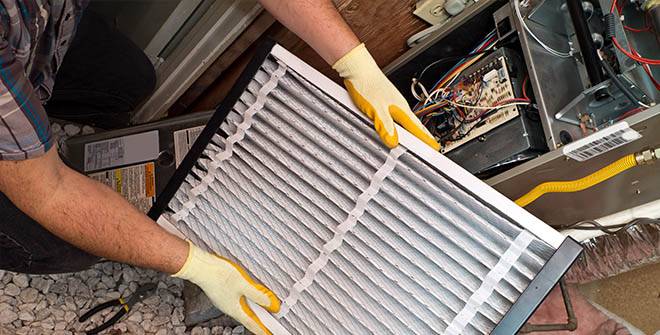
Skipping filter changes can cause:
- Reduced cooling performance
- Higher energy bills
- Frozen evaporator coils
- Overheated components
- Premature system failure
Many emergency calls during summer are caused by something as simple as a clogged air filter.
Air Filter Tips for Texas Businesses
Commercial systems face even heavier demands. Businesses should check filters more frequently, especially in:
- Offices with high foot traffic
- Retail spaces
- Medical or professional buildings
- Warehouses and light industrial facilities
Routine inspections and filter changes through professional commercial HVAC services help prevent downtime and protect occupant comfort.
For larger systems, scheduled maintenance through commercial air conditioning services is the most reliable approach.
Not Sure Which Filter Is Right?
Using the wrong filter can be just as problematic as not changing it at all. Filters that are too restrictive can limit airflow, while low-quality filters may not protect your system adequately.
A qualified technician can recommend the right filter type and replacement schedule during a routine service visit.
When to Schedule HVAC Maintenance
If you’re frequently replacing dirty filters, it may be a sign your system needs professional attention. Spring and early summer are ideal times to schedule maintenance before peak demand.
You can easily book service through Spencer’s convenient HVAC scheduling page to ensure your system is ready for Texas heat.
Protect Your HVAC System Year-Round
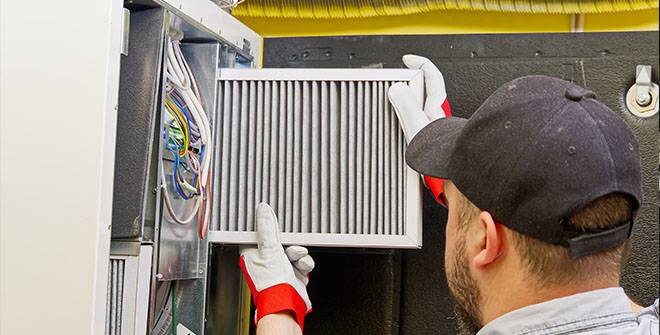
Changing your HVAC air filter regularly is one of the easiest ways to protect your comfort and your investment. In Texas, staying proactive makes a noticeable difference in system performance and reliability.
For expert guidance, dependable service, and long-term comfort solutions, trust Spencer Air Conditioning & Heating to keep your home or business comfortable year-round.