


Selecting the right HVAC system is crucial for ensuring comfort and energy efficiency in your Irving home. With the hot, humid summers and mild winters typical of North Texas, finding a system that meets your needs can significantly impact your home’s comfort and energy bills. In this guide, we’ll explore the key factors Irving homeowners should consider when choosing an HVAC system, from understanding your home’s unique requirements to navigating the latest in energy-efficient technologies. Whether you’re replacing an old unit or installing a new system, the right choice will keep your home comfortable year-round.
Ready to dive into the specifics? Let’s start by understanding your home’s unique heating and cooling needs.
Understanding Your Home’s Needs
Choosing the right HVAC system begins with understanding the specific needs of your home. Factors such as the size, layout, insulation, and even the age of your home can all influence which type of system will work best. For instance, a larger home with multiple stories may benefit from a zoned HVAC system, which allows different areas to be heated or cooled independently. Conversely, a smaller, well-insulated home might perform efficiently with a simpler setup like a ductless mini-split system.
It’s also essential to consider any existing ductwork. Homes with outdated or inefficient duct systems may face significant energy loss, making it worthwhile to evaluate ductwork upgrades alongside the new HVAC installation. Consulting with an HVAC professional can provide a detailed load calculation, which helps determine the appropriate size and type of system based on your home’s square footage, number of windows, ceiling height, and other critical factors.
To learn more about HVAC options tailored for residential needs, explore our Residential HVAC Services.
Types of HVAC Systems
When choosing an HVAC system for your Irving home, it’s essential to understand the different types available and how each can meet your needs. Here’s a quick overview of the most common options:
- Central Air Conditioning Systems
Central air systems are popular for their ability to cool an entire home through a network of ducts. They are efficient and can provide consistent temperatures throughout your home. However, they require existing ductwork and may not be the best choice for homes with space constraints or older, inefficient ducts. - Heat Pumps
Heat pumps are versatile systems that provide both heating and cooling. They are especially efficient in mild climates like Irving’s, where extreme cold is not a concern. Heat pumps can significantly reduce energy consumption compared to traditional furnaces or air conditioners. - Ductless Mini-Split Systems
Ideal for homes without ductwork, ductless mini-splits offer flexibility by allowing individual control of temperatures in different rooms or zones. They are energy-efficient, easy to install, and can be a great solution for home additions or areas that are hard to heat and cool. - Packaged Systems
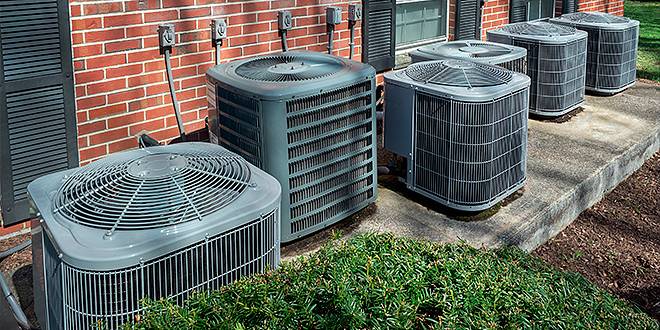
These systems combine heating and cooling in one unit, which is usually installed outside the home. Packaged systems are space-saving and can be an excellent option for homes with limited indoor space.
Each of these systems has its pros and cons, and the right choice depends on your home’s layout, your budget, and your comfort preferences. To make an informed decision, consider consulting with an HVAC expert who can guide you based on your specific needs.
For commercial properties, you can also explore our Commercial HVAC Services for tailored solutions.
Energy Efficiency and SEER Ratings
Energy efficiency is a crucial factor to consider when choosing an HVAC system for your Irving home. A highly efficient system not only reduces your carbon footprint but also leads to significant savings on your energy bills over time. One of the most important metrics to understand when evaluating efficiency is the Seasonal Energy Efficiency Ratio (SEER) rating.
What is SEER?
SEER ratings measure the cooling efficiency of air conditioning units and heat pumps. The higher the SEER rating, the more efficiently the system operates. Modern HVAC systems typically have SEER ratings ranging from 13 to 25, with higher ratings indicating better energy efficiency. While systems with higher SEER ratings might have a higher upfront cost, they often provide substantial savings in the long run due to reduced energy consumption.
Choosing the Right SEER Rating
When selecting an HVAC system, it’s essential to balance the initial investment with long-term benefits. For Irving’s climate, where cooling demands are high, a system with a SEER rating of at least 16 is generally recommended. This level of efficiency ensures that your system can handle the intense summer heat without skyrocketing your energy bills.
Energy Star Certification
Look for systems with the Energy Star label, which indicates that the unit meets strict efficiency guidelines set by the U.S. Environmental Protection Agency. Energy Star-certified units not only offer superior energy savings but also often come with rebates or tax incentives.
Selecting a system with the right SEER rating is an investment in your home’s comfort and your long-term savings. For more tips on maintaining an energy-efficient system, check out our Comfort Maintenance Plan, designed to keep your HVAC system running at peak performance.
Budget and Long-Term Costs
When choosing an HVAC system, it’s essential to look beyond the initial price tag. While upfront costs are a significant consideration, understanding the long-term expenses associated with your HVAC system is equally important. Here’s what you should keep in mind:
Upfront Costs vs. Long-Term Savings
Initially, a high-efficiency HVAC system might seem costly, but it often pays off in the long run through lower energy bills and fewer repairs. Investing in a system with a higher SEER rating, even if it’s more expensive initially, can result in substantial savings over the lifespan of the unit.
Maintenance and Repair Costs
Regular maintenance is key to prolonging the life of your HVAC system and maintaining its efficiency. Routine check-ups can help prevent costly repairs and unexpected breakdowns. Enrolling in a maintenance plan, like our Comfort Maintenance Plan, ensures your system is professionally serviced regularly, which can help avoid expensive repairs and extend the lifespan of your equipment.
Considering Installation Costs
Proper installation is crucial for your HVAC system’s performance and efficiency. An improperly installed system can lead to inefficiencies, higher energy bills, and more frequent repairs. It’s wise to choose a trusted HVAC service provider, like Spencer Air Conditioning & Heating, known for high-quality installations and excellent customer service.
Energy Bills and Usage
The type of HVAC system you choose directly impacts your monthly energy bills. More efficient systems may have a higher upfront cost but typically result in lower utility bills. Additionally, smart HVAC features, like programmable thermostats, can help optimize your energy usage and save money.
Budgeting for an HVAC system involves weighing both initial costs and long-term expenses. By choosing the right system and maintaining it properly, you can enjoy reliable comfort without unexpected financial burdens. For more personalized advice or a quote, visit our Contact page to get in touch with our team.
Climate Considerations for Irving
Irving’s climate plays a pivotal role in determining the best HVAC system for your home. With hot, humid summers and mild winters, your HVAC system must be capable of handling intense heat and humidity efficiently. Here’s how Irving’s climate impacts your HVAC choices:
Handling the Heat
During the long summer months, temperatures in Irving often soar into the 90s, making air conditioning a necessity rather than a luxury. An HVAC system with a high SEER rating, specifically designed to manage high cooling demands, is essential. Heat pumps and central air conditioning systems with variable-speed compressors can adjust their output based on the cooling needs, maintaining comfort without overworking the system.
Dealing with Humidity
Humidity is another crucial factor in Irving’s climate. High humidity levels can make the air feel warmer and can also lead to indoor air quality issues like mold and mildew. HVAC systems with humidity control features, such as dehumidifiers or variable-speed fans, can help maintain a comfortable and healthy indoor environment.
Winter Performance
While winters in Irving are generally mild, occasional cold snaps mean your heating system still needs to be reliable. Heat pumps are excellent for this climate as they provide efficient heating without the high energy costs associated with traditional furnaces. Dual-fuel systems, which combine the efficiency of a heat pump with the power of a gas furnace, are also a great option for homes needing a boost during colder periods.
Zoning for Comfort
Given the variability in Irving’s weather, zoning can be highly beneficial. Zoning allows different areas of your home to be heated or cooled independently, providing greater comfort and energy efficiency. This is particularly useful for larger homes or those with specific areas that are difficult to keep cool.
Choosing an HVAC system that suits Irving’s climate is key to maintaining comfort year-round. For more insights into which systems work best in your area, explore our Service Areas and see how Spencer Air Conditioning & Heating can help you find the perfect fit.
Smart Features and Technology
In today’s world, smart features and advanced technology can significantly enhance your HVAC system’s performance, providing greater comfort, efficiency, and control. When choosing an HVAC system for your Irving home, consider the benefits that modern technology can offer:
Smart Thermostats
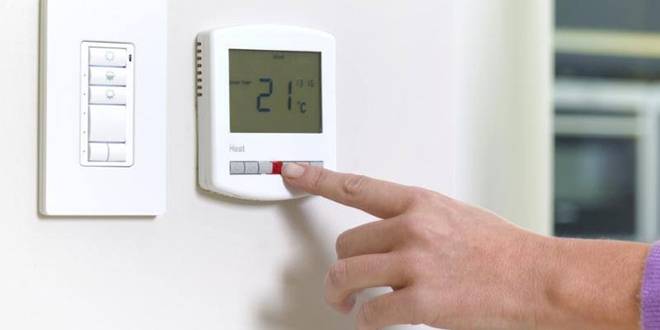
Smart thermostats are a game-changer for home comfort and energy savings. These devices learn your schedule and preferences, automatically adjusting the temperature to maximize efficiency. You can control them remotely via smartphone apps, allowing you to make adjustments on the go. Smart thermostats can also provide energy usage reports, helping you understand your consumption patterns and find ways to save.
Zoning Systems
Zoning allows you to divide your home into different areas or “zones,” each with its own thermostat. This setup is perfect for larger homes or households with varying temperature preferences. By only heating or cooling occupied zones, you can save on energy costs while keeping everyone comfortable. Zoning is especially beneficial in Irving, where rooms facing the sun might need more cooling than those in the shade.
Variable-Speed Technology
Variable-speed compressors and fans adjust their speed based on the cooling or heating demand, offering precise temperature control and improved energy efficiency. Unlike single-speed systems that constantly start and stop, variable-speed units run at lower speeds for longer periods, maintaining a consistent temperature and reducing energy usage.
Air Quality Improvements
Many modern HVAC systems come with advanced air filtration and purification options, which can be crucial in areas like Irving, where allergens and pollutants can be a concern. Features such as HEPA filters, UV lights, and air purifiers help improve indoor air quality, making your home healthier and more comfortable.
Remote Diagnostics and Alerts
Some HVAC systems offer remote diagnostics, allowing your service provider to monitor the system’s performance and identify potential issues before they become significant problems. This feature can save you from unexpected breakdowns and costly repairs.
Incorporating smart features into your HVAC system not only enhances your comfort but also optimizes energy efficiency and provides greater control over your home environment. For professional guidance on the latest HVAC technologies, reach out to us through our Contact page.
Installation and Maintenance
Choosing the right HVAC system is only part of the equation—proper installation and regular maintenance are crucial to ensuring your system performs at its best for years to come. Here’s why professional installation and a solid maintenance plan matter:
The Importance of Professional Installation
Proper installation is critical to the efficiency and longevity of your HVAC system. An improperly installed unit can lead to issues such as poor airflow, reduced efficiency, and even system failure. That’s why it’s essential to choose a trusted HVAC provider like Spencer Air Conditioning & Heating, known for expert installation services and a commitment to quality.
During installation, our technicians ensure that your system is correctly sized and properly configured for your home’s unique needs. This includes precise placement of the indoor and outdoor units, proper sealing of ducts, and thorough testing to ensure optimal performance.
Routine Maintenance for Longevity
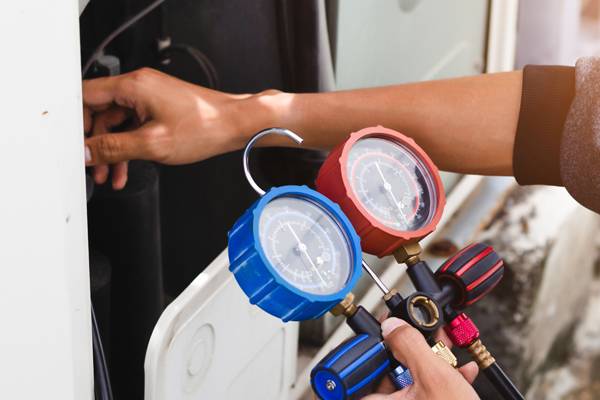
Regular maintenance is key to keeping your HVAC system running smoothly and efficiently. Routine check-ups can help identify and fix minor issues before they turn into costly repairs. Tasks such as cleaning or replacing filters, checking refrigerant levels, and inspecting electrical connections are all part of keeping your system in peak condition.
By enrolling in a maintenance plan like our Comfort Maintenance Plan, you can ensure your system receives the regular care it needs. Our plan includes scheduled tune-ups, priority service, and discounts on repairs, helping you avoid unexpected breakdowns and extend the life of your HVAC system.
Benefits of Regular Maintenance
- Improved Efficiency: Regular servicing ensures your system operates at peak efficiency, reducing energy consumption and lowering your utility bills.
- Extended Lifespan: Maintenance helps prevent major issues that could shorten your system’s life.
- Enhanced Comfort: A well-maintained system provides consistent heating and cooling, keeping your home comfortable year-round.
- Better Air Quality: Regular cleaning of filters and ducts can improve the air quality in your home by reducing dust, allergens, and pollutants.
Proper installation and maintenance are investments that pay off in comfort, efficiency, and peace of mind. To schedule an installation or learn more about our maintenance services, visit our Contact page.
Conclusion
Choosing the right HVAC system for your Irving home is a significant decision that impacts your comfort, energy efficiency, and long-term savings. By considering your home’s specific needs, evaluating different types of systems, and prioritizing energy efficiency with the right SEER ratings, you can make an informed choice that suits your lifestyle and budget. Don’t forget to account for Irving’s unique climate conditions and the benefits of smart features that enhance your system’s performance and convenience.
Remember, professional installation and regular maintenance are just as important as selecting the right system. Proper installation ensures your HVAC system runs efficiently, while routine maintenance keeps it in top shape, extending its lifespan and preventing costly repairs. At Spencer Air Conditioning & Heating, we’re committed to helping you find the perfect HVAC solution tailored to your needs. Whether you’re looking for a new system or need expert advice, we’re here to guide you every step of the way.
Ready to take the next step? Contact us today to schedule a consultation or learn more about our services. Visit our Service Areas to see how we can assist you, or reach out directly through our Contact page for personalized advice and support.