

Regular HVAC maintenance is one of the best ways to keep your home comfortable, your system running efficiently, and your repair costs under control. But many homeowners still wonder what an HVAC tune-up actually includes and whether it is really worth scheduling every year.
The short answer: yes. Professional HVAC maintenance helps your heating and cooling equipment perform better, last longer, and break down less often. It also gives technicians a chance to catch small issues before they turn into bigger problems.
At Spencer Air Conditioning and Heating, we believe preventive care is a smart investment for every homeowner. If you are looking for a reliable way to protect your system, our Comfort Maintenance Plan is designed to make routine upkeep simple and consistent.
What Is HVAC Maintenance?
HVAC maintenance is a scheduled inspection, cleaning, and performance check of your home’s heating and cooling system. It is typically performed once or twice a year, depending on the equipment and the season.
The goal is to keep your air conditioner, furnace, heat pump, ductwork, and related components operating safely and efficiently. Instead of waiting for a breakdown, maintenance focuses on prevention.
What Does HVAC Maintenance Include?
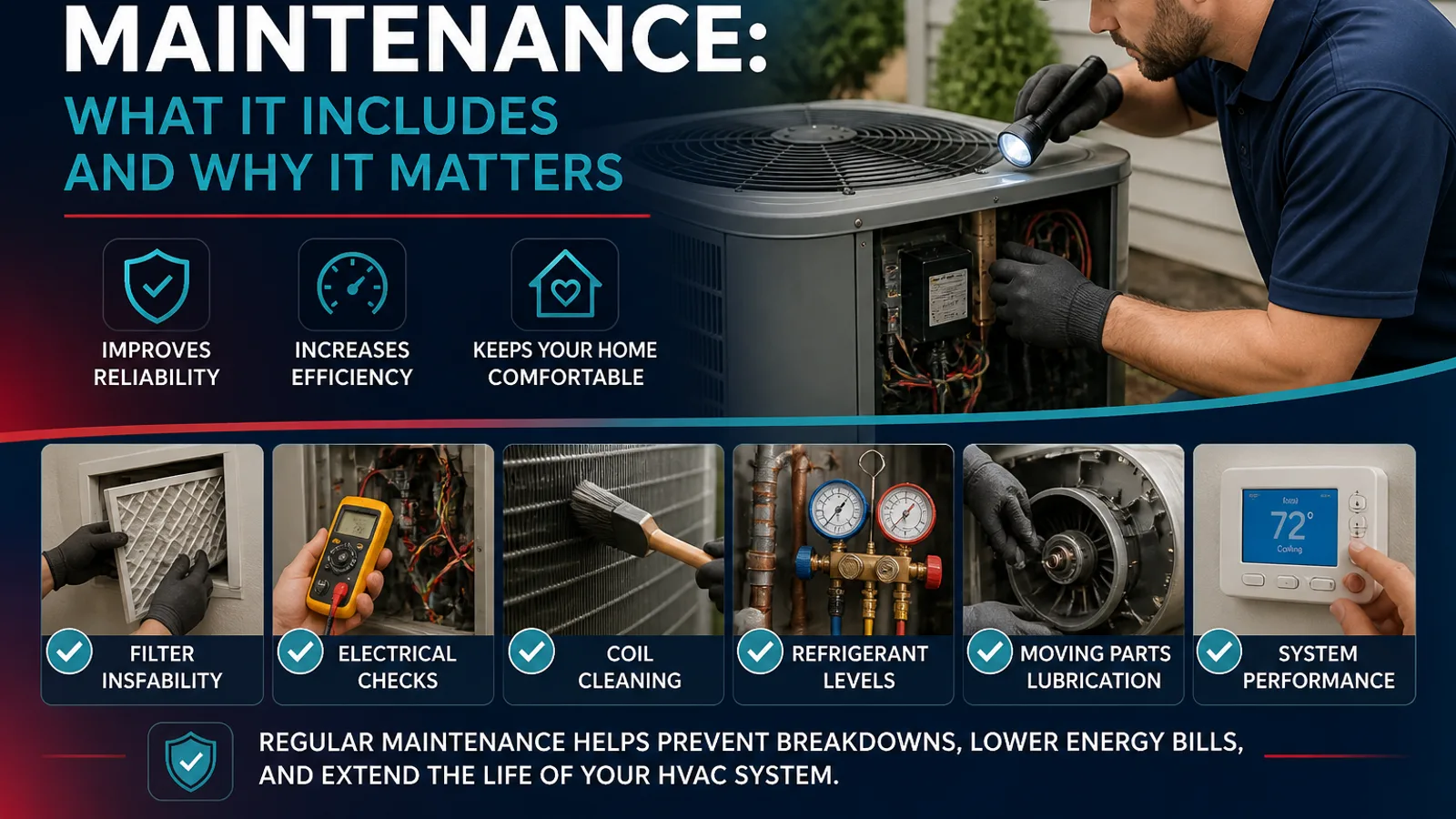
A proper HVAC maintenance visit involves several important steps. While the exact checklist may vary depending on the system, here are the most common items included in a professional tune-up.
1. System Inspection
The technician begins by checking the overall condition of the equipment. This includes looking for signs of wear, corrosion, leaks, loose connections, damaged parts, and airflow issues. A full inspection helps identify potential problems early.
2. Cleaning Key Components
Dust and debris can affect system performance and indoor comfort. During maintenance, technicians typically clean components such as:
- Evaporator and condenser coils
- Blower components
- Drain lines and drain pans
- Burner areas
- Outdoor unit surfaces
Clean components help the system run more efficiently and reduce strain on moving parts.
3. Filter Check and Replacement Guidance
Air filters play a major role in system performance and indoor air quality. A clogged filter can restrict airflow, force the system to work harder, and shorten equipment life. Maintenance visits usually include filter inspection and recommendations for replacement if needed.
4. Electrical Testing
Technicians check electrical connections, controls, relays, capacitors, and wiring for safety and reliability. Loose or failing electrical parts can cause system malfunctions or even create safety concerns if left unresolved.
5. Refrigerant Level Check
For cooling systems, refrigerant levels are reviewed to help ensure proper operation. If refrigerant is too low or too high, the system may not cool properly and could suffer unnecessary wear. A technician will also check for signs of leaks when needed.
6. Thermostat Verification
Your thermostat is the command center for your HVAC system. During maintenance, the technician may test thermostat accuracy and settings to make sure the equipment responds correctly and maintains the temperature you expect.
7. Lubrication of Moving Parts
Some HVAC systems have moving parts that need lubrication to reduce friction and wear. Proper lubrication can help prevent motor strain and extend the life of the unit.
8. Safety Checks
Heating equipment, especially gas furnaces, requires safety testing. This may include checking heat exchangers, ignition systems, flue pipes, and carbon monoxide risks. Safety checks are a critical part of protecting your home and family.
9. Performance Testing
After cleaning and inspection, the technician tests the system to confirm it is operating correctly. This may include measuring airflow, temperature differences, cycling, and startup performance.
Why HVAC Maintenance Matters
Routine maintenance is about more than just keeping your system clean. It affects comfort, reliability, efficiency, and long-term cost of ownership.
Improves Energy Efficiency
When your HVAC system is clean and properly adjusted, it does not have to work as hard to heat or cool your home. That can lead to better efficiency and more consistent performance throughout the year.
Helps Prevent Breakdowns
Many major HVAC failures begin as small issues that go unnoticed. A loose connection, worn capacitor, or clogged drain line can become a much bigger repair if ignored. Maintenance helps catch those concerns before they turn into inconvenient breakdowns.
Extends Equipment Life
HVAC systems are a major home investment. Regular maintenance helps reduce unnecessary wear and tear, which can support a longer equipment lifespan and delay the need for replacement.
Supports Better Comfort
If your system is running efficiently, your home is more likely to stay at the temperature you want. You may also notice more even heating and cooling, improved airflow, and fewer hot or cold spots.
Protects Indoor Air Quality
Maintenance can help reduce the amount of dust, debris, and buildup circulating through your home. Clean filters, coils, and components can contribute to cleaner indoor air and a healthier living environment.
Helps Maintain Warranty Requirements
Some equipment warranties require routine professional maintenance. Keeping up with regular service can help protect your coverage and avoid issues if a warranty claim ever comes up.
How Often Should HVAC Maintenance Be Done?
Most homes benefit from HVAC maintenance at least once a year. In many cases, it is best to schedule:
- A cooling system tune-up in spring
- A heating system tune-up in fall
If your system runs frequently, is older, or has had issues in the past, more regular service may be helpful. Homeowners who want a simple way to stay on track can explore our Comfort Maintenance Plan.
Signs Your HVAC System May Need Service Soon
Even with regular maintenance, your system may still show signs that it needs attention. Watch for these common warning signs:
- Unusual noises during operation
- Weak airflow from vents
- Uneven temperatures throughout the home
- Short cycling or frequent shutdowns
- Higher-than-normal utility bills
- Musty, burning, or otherwise unusual odors
- Moisture or leaks around the unit
If you notice any of these issues, it may be time to schedule professional service before the problem gets worse. You can learn more about our residential air conditioning services if cooling problems are your main concern.
Can Homeowners Do Any HVAC Maintenance Themselves?
Yes, there are a few simple maintenance tasks homeowners can handle between professional visits. These include:
- Changing air filters regularly
- Keeping the outdoor unit clear of debris
- Making sure supply and return vents are not blocked
- Checking thermostat settings
- Noticing changes in sound, airflow, or comfort
However, more technical tasks should be left to a trained HVAC professional. Electrical testing, refrigerant checks, and internal component cleaning require the right tools and expertise.
What Happens If You Skip Maintenance?
Skipping HVAC maintenance may not cause immediate failure, but it can lead to long-term problems. Without routine service, your system may become less efficient, wear out faster, and be more likely to break down during peak heating or cooling seasons.
Neglected equipment can also create indoor comfort issues and may not operate as safely as it should. In the long run, maintenance is often far less disruptive than emergency repairs.
Why Professional HVAC Maintenance Is Worth It
Professional maintenance gives you peace of mind. Instead of guessing whether your system is in good shape, you have a trained technician inspect, clean, and test it for you. That means fewer surprises, better performance, and a more comfortable home.
If you are not sure where to start, Spencer Air Conditioning and Heating can help with routine residential service, seasonal tune-ups, and ongoing preventive care. If you are also considering an upgrade or replacement in the future, visit our schedule service page to get started.
Learn More About HVAC Care
If you would like a broader look at how professional maintenance works, the U.S. Department of Energy offers helpful guidance on maintaining air conditioners and improving system efficiency.
Final Thoughts
HVAC maintenance is one of the most important things you can do to protect your home comfort system. It includes inspection, cleaning, testing, and preventive care that help your equipment run efficiently and reliably. Just as importantly, it can help catch small issues before they become expensive repairs.
For homeowners in Irving and the DFW metroplex, routine service is a simple way to keep your heating and cooling system ready for every season.