




Why a Full House Stresses Your System
Most HVAC systems are sized around everyday occupancy — a household of three or four people going about a normal routine. When holiday guests arrive, that math changes fast. More bodies generate more body heat, doors open and close constantly as people come and go, and ovens run for hours at a time. All of that adds up to a heating and cooling load your system may not typically experience.
In North Texas, where late November and December days can swing from a mild 65 degrees to a sharp cold front overnight, a full house adds another variable on top of already unpredictable weather. The result is often uneven comfort — some rooms too warm, others too cold — even though the thermostat reads a comfortable temperature.
As a rough guide, each additional adult in a room adds roughly 300-400 BTUs of body heat per hour, and a busy kitchen can add several times that during a long cooking session. A system sized for a household of four suddenly working to condition a house with fifteen people, a hot oven, and a steady stream of open exterior doors is being asked to do meaningfully more than its everyday job, even though nothing about the equipment itself has changed.
The Kitchen Heat Factor
Holiday cooking is one of the biggest hidden contributors to an uncomfortable house. An oven running for several hours, multiple stovetop burners going at once, and a kitchen full of people can push the temperature in that part of the house up noticeably, even while other rooms stay cool. If your thermostat happens to be located near the kitchen, it may read the ambient heat from cooking and tell the system to stop heating altogether, leaving bedrooms and living areas on the far side of the house colder than they should be.
A simple fix is to keep the kitchen ventilated during heavy cooking — running a range hood or cracking a window briefly — so the heat doesn't skew your thermostat's reading. If this is a recurring issue every holiday season, it may be worth discussing thermostat placement or zoning options with a technician.
Balancing Comfort in Guest Rooms
Guest bedrooms and less-used spaces often have supply vents that have been partially closed for months, or furniture blocking airflow that nobody thought about until someone is actually sleeping in that room. Before guests arrive, walk through every room they'll be using and make sure vents are open and unobstructed by beds, dressers, or holiday storage boxes.
If you have a two-story home, remember that heat naturally rises, so upstairs guest rooms may already run warmer than the main floor in winter, while downstairs rooms near exterior doors can run cooler due to draft from frequent door opening. Small adjustments — closing an interior door to let a room hold heat, or opening one to let warm air circulate in — can make a noticeable difference without needing to touch the thermostat.
Thermostat Strategy for Guests
With more people in the house, resist the urge to make dramatic thermostat swings when someone complains of being too warm or too cold. Large temperature changes make the system work harder and can actually create bigger swings in comfort as different rooms respond at different speeds. Instead, make small 1-2 degree adjustments and give the house time to respond.
If you have a smart or programmable thermostat, consider a temporary hold setting for the days guests are staying, rather than letting the schedule cycle between an unoccupied daytime setback and evening comfort mode. A house full of people rarely needs the same setback schedule as an empty one during the day. Homeowners with a properly matched system rarely need more than these small adjustments to keep everyone comfortable throughout a gathering.
Indoor Air Quality With a Full House
More people, more cooking, and more time spent indoors during the holidays also means more strain on your indoor air quality. Cooking odors, increased humidity from a busy kitchen, and simply more people breathing in an enclosed space can make air feel stuffy even when the temperature is fine. This is a good time to check that your air filter isn't overdue for a change, since a full house pushes more air — and more particulates — through the system than usual.
If allergies or stuffiness tend to be an issue when your home fills up with guests, an indoor air quality solution such as a whole-home air cleaner or ventilator can help keep things comfortable without requiring guests to prop doors open in the middle of winter.
What We've Learned From Holiday Service Calls
Every year without fail, we get calls the week of Thanksgiving and again right before Christmas from homeowners whose systems suddenly can't keep up once the house fills with family. In many cases, the system itself is working fine — it's simply being asked to do more than usual, combined with a system that was already close to its limit before the extra guests arrived.
We've also seen a fair number of thermostat miscalibration issues caused by exactly the kitchen-heat scenario described above, where a thermostat near the kitchen shuts the furnace off early while the rest of the house is still cold. Understanding these patterns has helped us guide homeowners toward simple fixes — thermostat relocation, vent adjustments, or a pre-holiday tune-up — rather than assuming a full system replacement is needed every time comfort feels off during a busy week.
A Quick Pre-Holiday Checklist
A short walkthrough a week or two before guests arrive can save a lot of frustration:
- Replace or check the air filter
- Open all vents in guest rooms and living spaces
- Test the thermostat's schedule and override settings
- Clear furniture or boxes blocking returns and supply vents
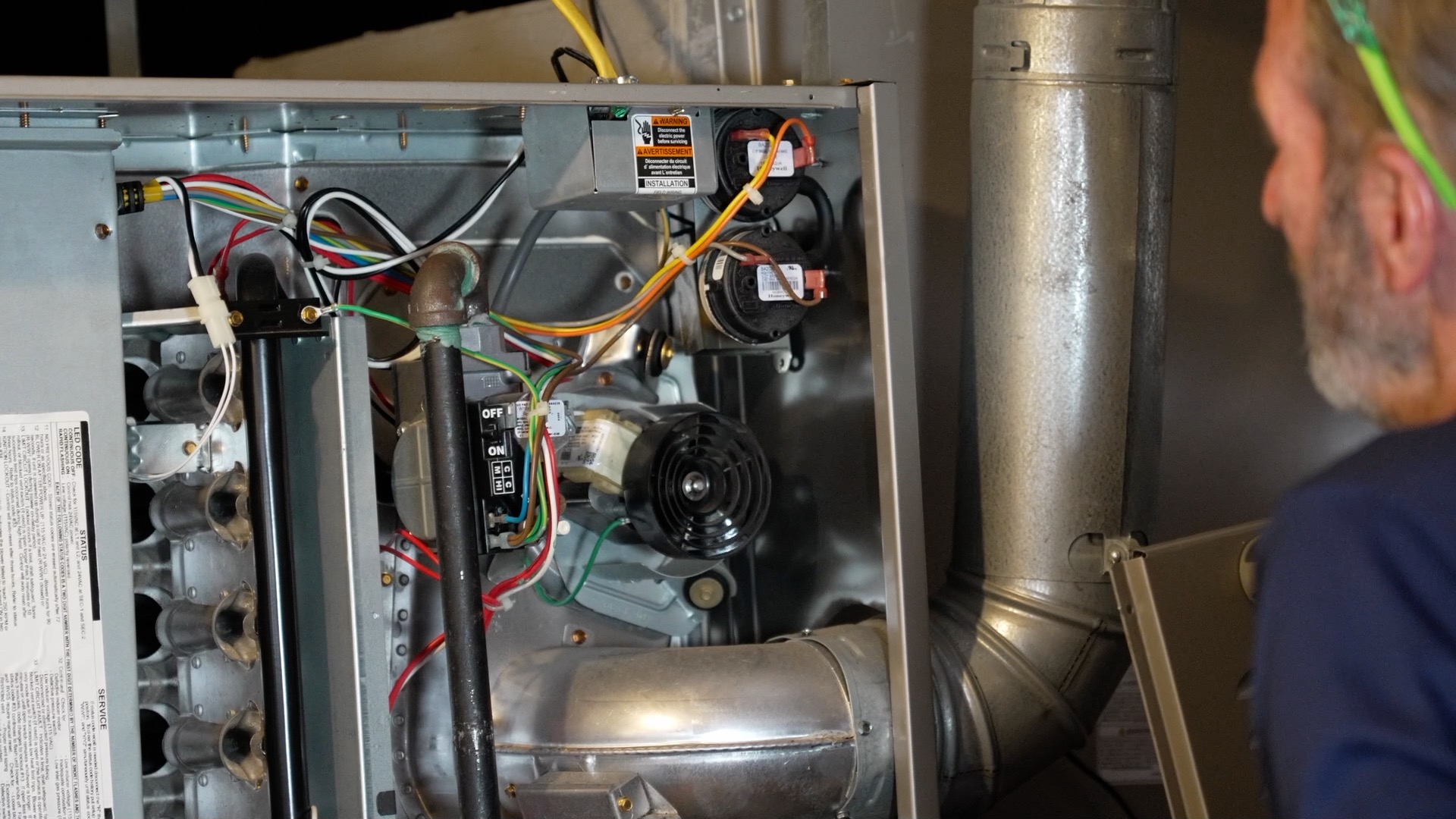
- Confirm the furnace is running with a steady, even flame
- Schedule a maintenance visit if it's been more than a year since the last one
If you want the peace of mind of a professional check before your home fills up, our Comfort Maintenance Plan includes seasonal tune-ups that catch small issues before they become a mid-gathering headache.
Managing Humidity With More People Indoors
A full house doesn't just change the temperature balance — it changes humidity too. More people breathing, showering, and cooking in the same enclosed space raises indoor moisture levels, which can leave a home feeling stuffy or cause window condensation on cold mornings, even while DFW winter air outside remains fairly dry.
Cracking a window for a few minutes after a big cooking session, running bathroom exhaust fans during showers, and making sure your return vents aren't blocked by extra furniture brought in for guests can help keep humidity in a comfortable range. If condensation on windows becomes a recurring issue during gatherings, it's worth mentioning to a technician during your next maintenance visit, since it can sometimes point to a broader ventilation imbalance rather than just a temporary holiday effect.
Get Ready Before Guests Arrive
A houseful of family and friends should be something you enjoy, not something you spend managing thermostat complaints over. A little preparation now means a more comfortable, less stressful holiday season for everyone under your roof.
If your system has been struggling to keep up during past gatherings, or you just want a professional set of eyes on it before the holidays, call Spencer Air Conditioning & Heating at 972-446-2665. We proudly serve homes throughout the DFW area and can help make sure your heating system is ready for a full house.
Spencer Air Conditioning & Heating — Serving DFW Since 1960. License TACLA115636C